


Taramundi Knives
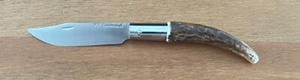 The Taramundi knife is a legendary piece of Spanish craftsmanship originating from the town of Taramundi in Asturias and nearby A Pontenova in Galicia. These knives have been handcrafted for centuries—with roots dating back to the 18th and mid-19th centuries—evolving from local ironwork traditions fueled by nearby iron and coal deposits.
Key Characteristics of an Authentic Taramundi
- Artisanal Build: Every authentic piece is worked individually using traditional tools like forges, hammers, and files.
- The Blade: Typically 8–10 cm long, made of high-quality stainless or carbon steel, and often bears the craftsman's personal seal.
- The Handle: Traditionally carved from local hardwoods like boxwood, olive, or heather. Master craftsmen like J. Rodil also use ebony or rosewood for more modern, elegant designs.
- Decoration: Many handles feature characteristic "guilloche" patterns—hand-carved geometric designs filled with bright colors or traditional Celtic motifs.
Famous Craftsmen & Heritage
The tradition is passed down through generations, though fewer workshops remain today compared to the 80 active ones in 1960. Notable names in the industry include:
- José Rodil (J. Rodil): A third-generation master craftsman known for blending traditional forging with innovative materials like ebony.
- Juan Carlos Quintana: A recognized master whose workshop continues the "fire and steel" tradition.
- Antonio Díaz: Another esteemed artisan helping to preserve the unique identity of Asturian cutlery.
In 2005, the Taramundi Council was officially declared an "Area of Artisan Interest," allowing authentic products to carry a specific geographical origin seal to verify their heritage. You can find various models, from daily pocket knives to specialized table sets, at retailers like Cuchillería Taramundi or Productos de Asturias.